
A practical guide to documenting renovation completion items, pairing notes with photographs, and keeping follow-up clear without confusing corrections with new requests.
What a useful punch list should accomplish
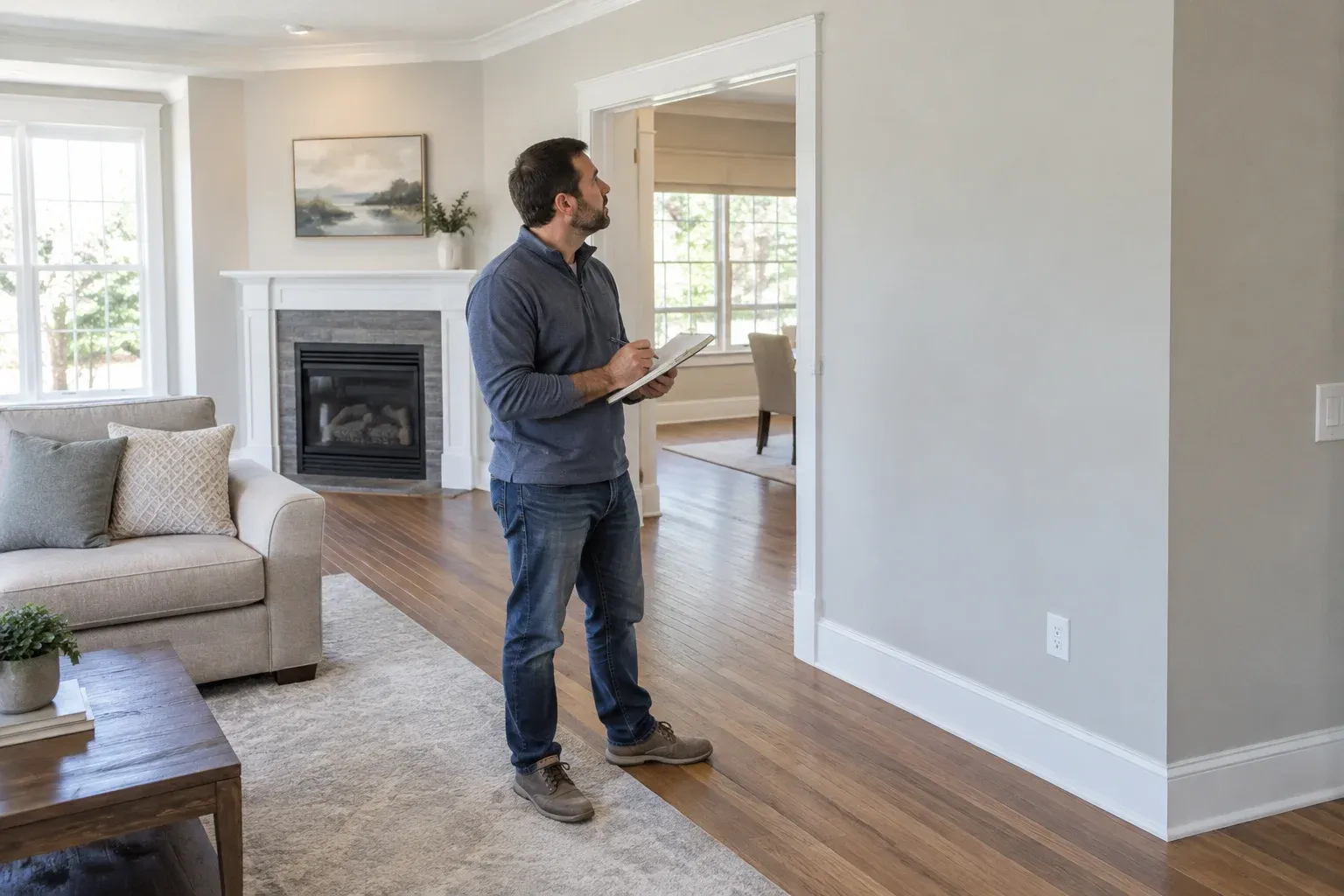
For homeowners working with a general contractor in Preston, a renovation punch list turns scattered observations into a usable record. Instead of sending separate messages about paint, cabinet doors, and missing trim, collect each concern with its location and supporting photograph. The goal is not to diagnose every defect or assign blame. It is to make unfinished work, questions, and requested follow-up understandable to everyone discussing the project.
General contractor discussions about completion benefit from a clear distinction between what you observed and what you want clarified. A door that rubs against its frame is an observation; deciding why it rubs requires further evaluation. Organize the list around visible conditions and documented selections, then ask for a response. This guide explains a general documentation method, not a particular company's procedures, contractual duties, or standards for accepting work.
Gather the right reference documents
Before walking through the renovation, gather the current scope, approved drawings where relevant, finish selections, and written changes. Use the latest versions rather than an early inspiration image or an outdated proposal. The same attention to comparable specifications discussed in comparing proposals for the same house helps here: identify the actual selected product or detail before describing it as missing or different. Flag uncertainty as a question rather than a conclusion.
Agree within the household on who will maintain the record. Several people can contribute observations, but one consolidated version helps prevent duplicate items and conflicting requests. The approach in keeping household decisions consistent is especially useful when one person notices a finish concern while another requests a different design. Record both viewpoints without silently replacing the earlier decision. Add a date and the contributor's name when that context will help explain the note.
Review each room in the same order
Choose a repeatable route through the rooms, starting at each doorway and moving clockwise. Look at walls and trim, then cabinetry, accessible fixtures, and flooring transitions. Finish one room before moving to the next. A systematic route makes omissions easier to spot than wandering between whatever catches your eye. Review finishes in ordinary daylight and normal room lighting, noting unusual viewing conditions instead of treating every shadow as evidence of a problem.
Ask whether the area is ready for a homeowner walkthrough, and respect restricted spaces or active work. Do not remove covers, climb improvised platforms, or operate equipment awaiting commissioning. Missing trim may simply belong to an unfinished phase; checking whether a phase is ready for finishes offers useful context for those dependencies. If you notice a potential safety concern, report it promptly through the agreed communication channel rather than saving it for the routine list.
Write observations someone else can locate
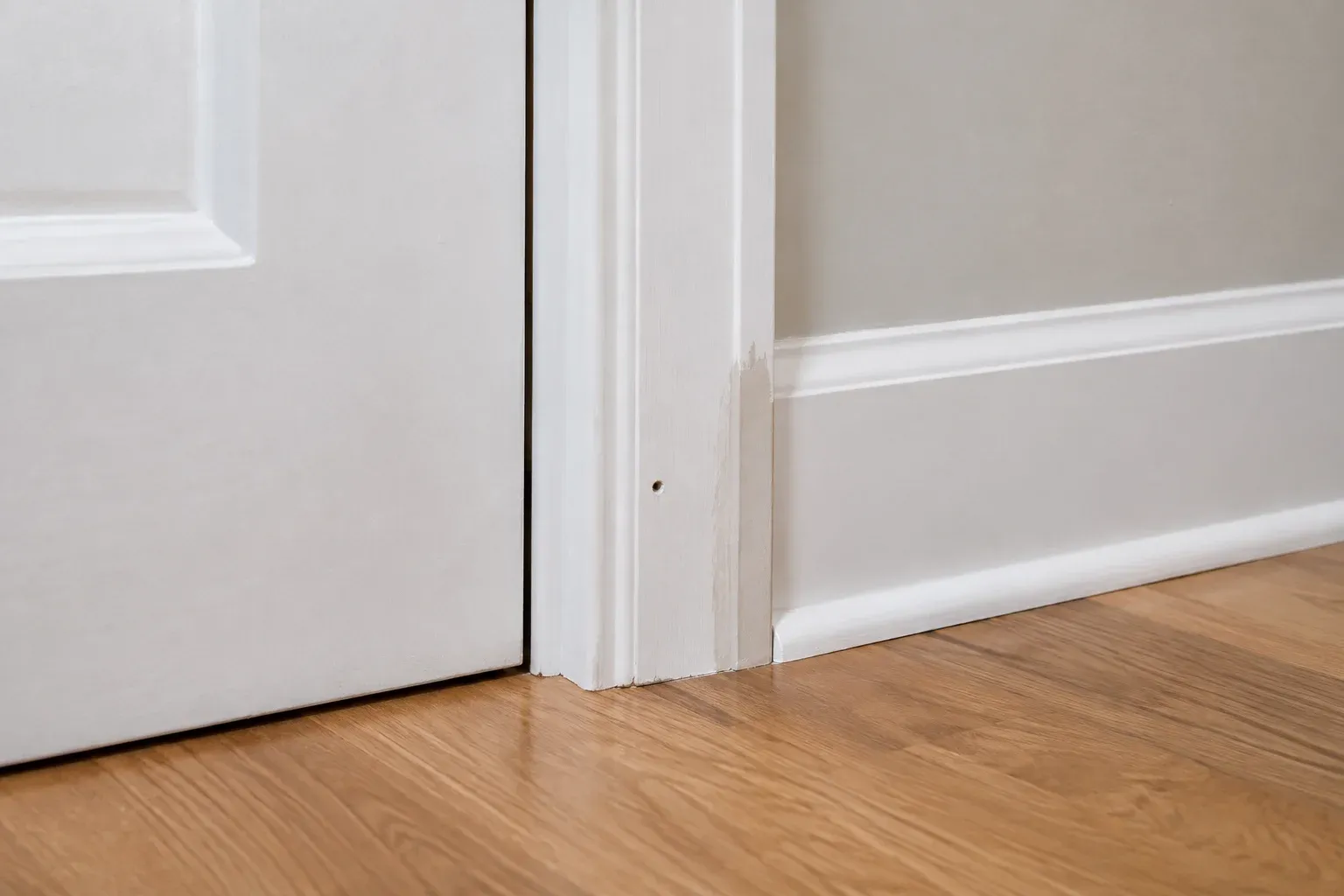
Give every item a stable identifier, such as LR-04 for the fourth living-room observation. Then describe the room, surface or component, exact position, and visible condition. “Paint needs attention” leaves too much open to interpretation. “Living room, doorway to hall, lower right casing: an unpainted patch remains beside the baseboard” gives someone a location to find and a condition to review without guessing what the homeowner meant.
Keep separate conditions in separate entries, even when they are nearby. A cabinet drawer that catches and a paint mark on its front may need different responses. For functional concerns, describe normal use: which drawer, how far it opens, and where resistance occurs. Avoid forcing components to reproduce a symptom. Record approximate dimensions only when helpful, and do not prescribe a repair method unless that method has already been discussed and documented.
- Identifier and room
- Exact component and position
- Observed condition and date
- Photograph filenames
- Response, next action, and review status
Make photographs support the written note
Pair a room-context photograph with a closer view when the detail is difficult to locate. The wider image should show a recognizable doorway, cabinet run, or corner; the closer image should show the condition clearly without losing all surrounding context. Name files with the item identifier and date. Keep original photographs, and avoid filters that change color, contrast, or the apparent severity of a mark.
Photographs have limits, especially for sheen, subtle color differences, and movement. If an exterior finish appears inconsistent, note the weather, whether the surface is wet, and the viewing direction. Questions about matching replacement siding illustrate why a photograph alone may not settle a material comparison. Likewise, describe a sticking door in words rather than expecting a still image to explain its operation. Ask for an in-person review when images leave uncertainty.
Separate completion items from new changes
Create separate categories for completion observations, clarification questions, and new requests. An uninstalled selected handle is different from deciding that another handle style would look better. If the documents do not resolve the distinction, mark the entry for discussion. Avoid assuming that placing something on a punch list establishes responsibility, timing, or payment treatment. Those questions depend on the relevant agreement and the circumstances of the item.
Bathrooms provide a useful example. A selected drawer front that remains uninstalled is a completion observation; replacing an approved single-sink arrangement with two sinks is a new design request. The considerations in choosing a vanity layout belong primarily to design planning, not a finish correction. Keeping that distinction visible allows a genuine installation concern to be discussed without mixing it with a later change in preference or desired room function.
Track responses through a final review
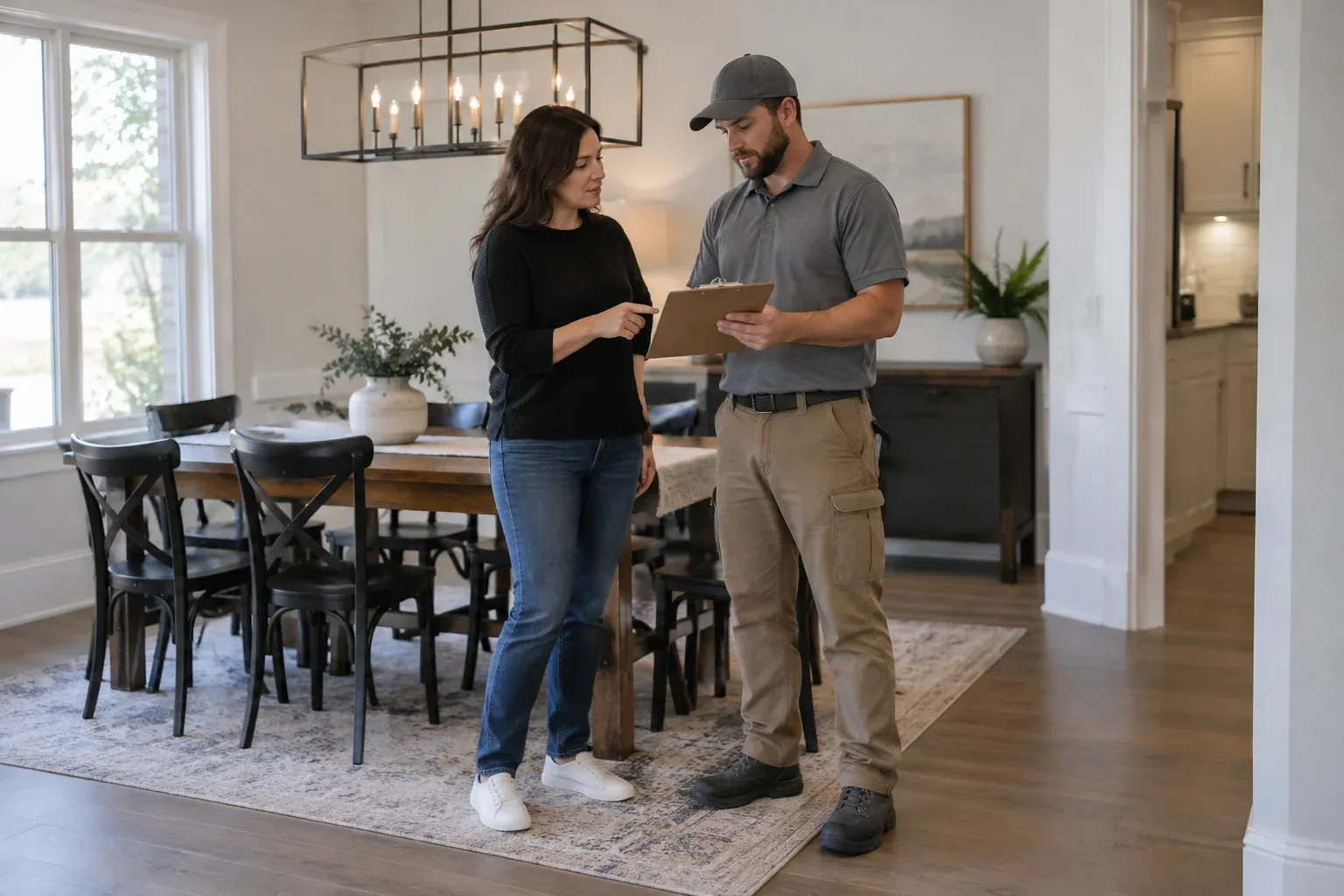
Use one shared spreadsheet, document, or agreed tracking tool rather than parallel message threads. Useful statuses include recorded, awaiting discussion, action planned, reported complete, and reviewed. Leave responsibility and dates unconfirmed until discussed; distinguish a proposed visit from a confirmed arrangement. After conversations, summarize the next action in the same entry. Preserve earlier notes so that a changed description does not erase the history of the concern.
When an item is reported complete, revisit the original observation and record what you checked. Add a follow-up photograph if useful, and retain unresolved questions rather than deleting the row. Preston homeowners working with a general contractor can use this record to keep completion conversations focused and traceable. The same method can help rental managers, office operators, and retail occupants document work, while keeping access arrangements and business operations separate from the observations themselves.
Frequently asked questions
What belongs on a renovation punch list?
Record unfinished work, observed finish concerns, and questions about whether completed details match documented selections. Keep newly requested features or changed preferences in a separate category. An observation does not by itself establish responsibility or a required remedy.
How many photographs should I take for each item?
Usually, start with one photograph showing the location and one showing the detail. Add another only if it explains something the first two do not show. Match each filename to the item's identifier and retain the original images.
Should I mark an item closed when someone says it is finished?
It is useful to distinguish reported completion from homeowner review. Revisit the original observation when access is safe, note what you checked, and record any remaining concern. A tracking status does not replace contract terms, inspections, or other completion requirements.