
Decide whether an existing bathtub belongs in your bathroom remodel by comparing everyday usefulness, finish compatibility, nearby work, and proposal details.
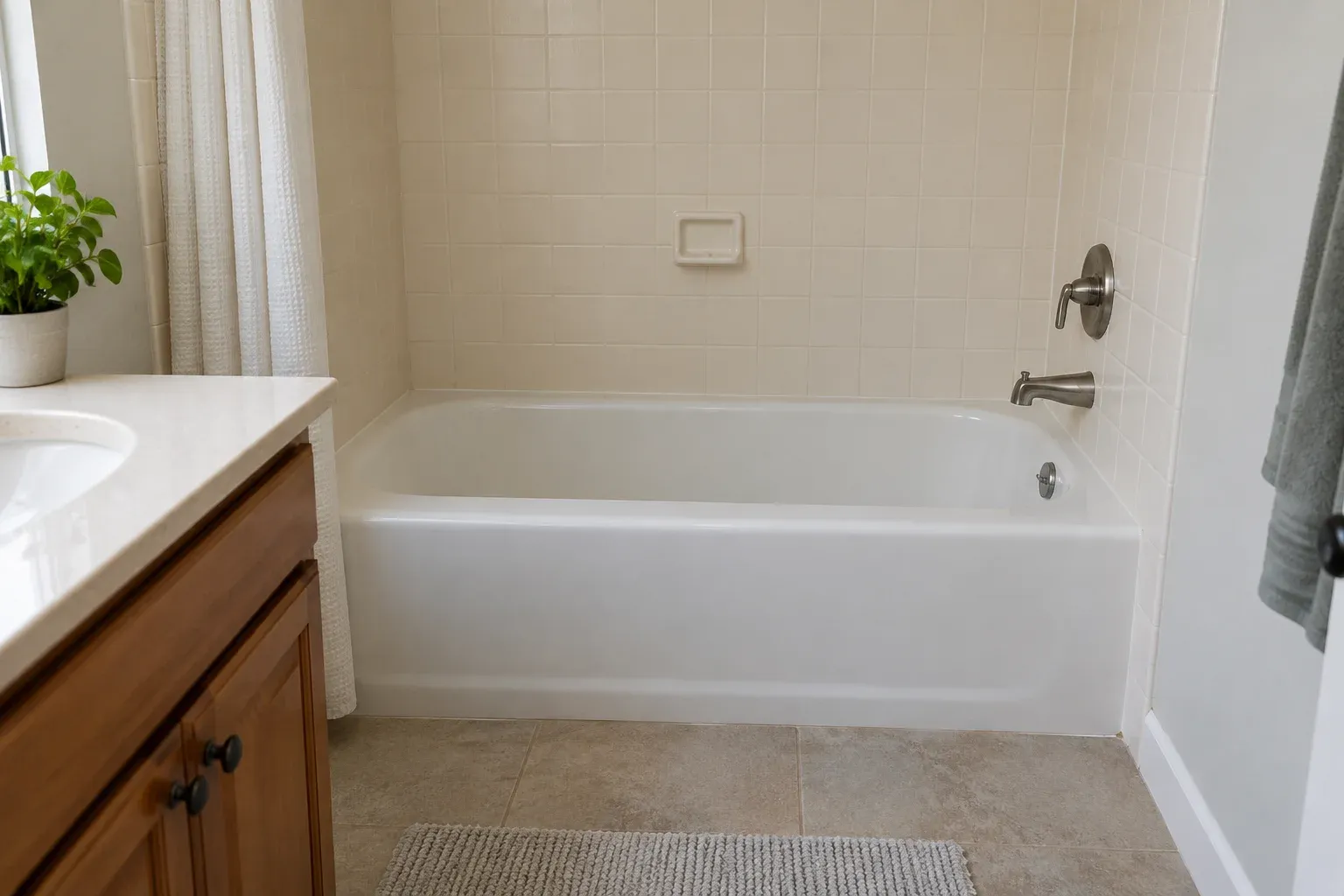
Define exactly what would stay
A conversation with a Bathroom remodeler in Bella Casa should separate two questions: do you still want this bathtub, and does keeping it fit the surrounding work? A tub that remains useful may deserve a place in an updated room. But leaving it in position does not automatically make the project simpler. Its edges, adjacent finishes, and relationship to nearby fixtures can shape what else changes.
Define “keep the tub” precisely before comparing options. It might mean retaining the basin while replacing wall tile, keeping the tub and surround together, or leaving the entire bathing area untouched. Those are different scopes. The useful comparison is not old versus new in isolation; it is whether each complete option delivers the bathroom you want without preserving something you already wish were different.
Judge the tub by use and visible condition
Start with everyday experience rather than the tub’s age. Consider who uses it, how often, and whether its shape and depth suit those routines. A rarely used tub may still serve an occasional purpose you value. Conversely, frequent use does not mean you like it. Write down specific frustrations, such as an uncomfortable bathing position, limited room for toiletries, or an appearance that remains disappointing after cleaning. Separate problems with the basin from problems with nearby storage or the enclosure.
Look at visible condition without treating appearance as a diagnosis. Note staining, worn-looking areas, chips, or marks you would still notice beside fresh finishes. Ask whether keeping those imperfections would undermine your satisfaction with the completed room. Do not assume an unseen condition exists, or that a surface treatment will produce a particular result. If a repair or refinishing option enters the comparison, request its own description and limitations rather than counting it as ordinary cleaning.
For rental property owners or managers, distinguish occupant needs from personal preferences. The same habit of testing dimensions against actual use appears in this garage fit and storage discussion: an item fitting the plan does not establish that it works comfortably in practice.
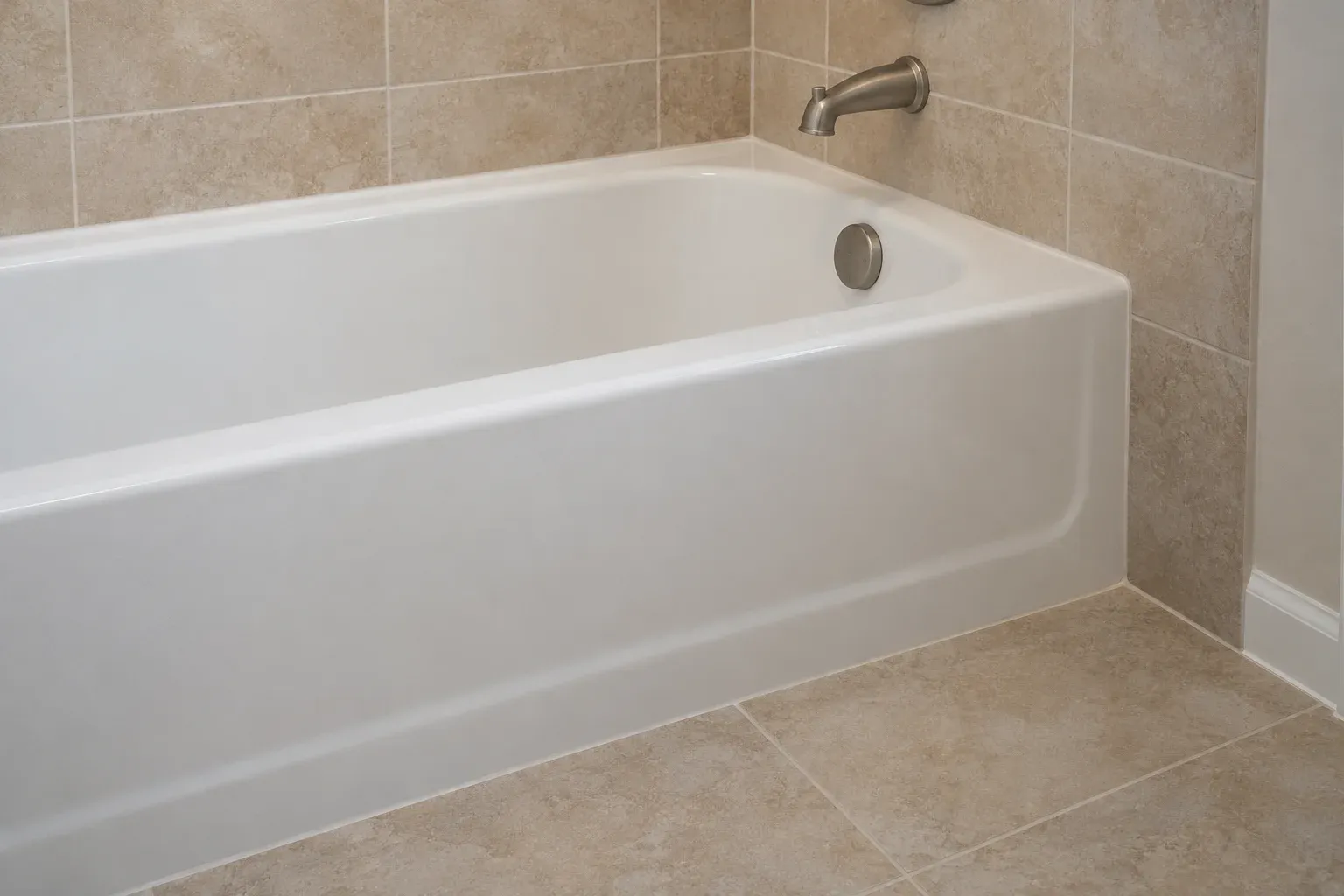
Check how the retained tub fits new finishes
Next, place the existing tub within the proposed finish palette. White fixtures can have noticeably different undertones, and a warm-colored tub may look different beside cool wall tile. Compare physical samples in the room rather than relying only on photographs. Include the tub apron, wall finish, floor, and nearby vanity in that view. The question is not whether everything matches exactly, but whether the retained surface looks intentional after the surrounding materials change.
Treat the junctions between materials as design decisions, too. Where will new flooring meet the tub apron? Where will the surround end? Will a different tile size change the visual balance around the basin? These questions do not require installation instructions; they require a clear description of the finished appearance. The broader idea also appears in this discussion of planning board joints: where materials meet can matter as much visually as the materials themselves.
Consider neighboring fixtures before committing to preservation. A larger vanity or revised storage arrangement may change how the bathing area feels, even if the tub stays put. This vanity layout comparison offers a related way to consider counter space and daily routines. Keep those decisions connected: retaining a familiar tub is less appealing if the proposed room leaves an awkward gap, a crowded corner, or finishes chosen mainly to disguise the old fixture rather than support your preferences.
Compare the work around each option
Compare two complete scopes, not simply the purchase of a replacement tub against buying nothing. A retained-tub option may still involve protection, surround replacement, fixture decisions, and careful finishing at existing edges. A replacement option adds removal and a new fixture, but may also allow different dimensions or a different arrangement. Neither option is automatically preferable. Ask which tasks disappear, which remain, and which become more involved under each approach.
Access for nearby work deserves particular attention. If wall finishes, flooring, or adjacent fixtures are changing, ask how leaving the tub in position affects the proposed work. Do not assume that access is restricted, or that removing the tub is necessary. Instead, request an explanation tied to the actual scope. A statement such as “keeping it is easier” becomes useful only when it identifies the work avoided and any work added around the retained fixture.
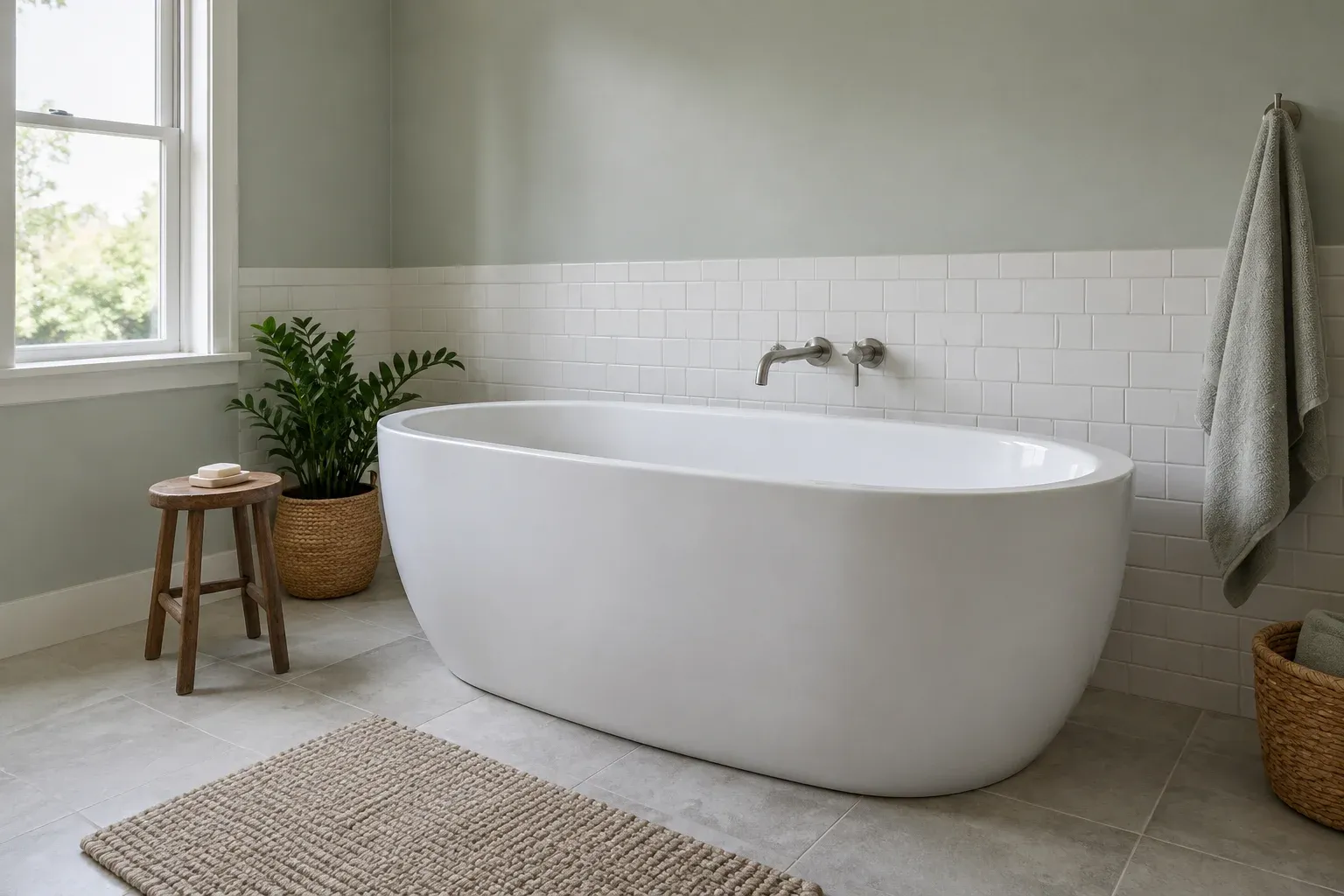
Also compare the compromises you would accept. Retention may preserve dimensions and a finish you know, while replacement may address dissatisfaction that new tile cannot resolve. A freestanding replacement, for example, is not merely a different-looking basin; it changes the visible relationship between tub, floor, and wall. Evaluate that as a separate room design rather than assuming it is an interchangeable substitute for an alcove tub.
- What work is avoided by keeping the existing tub?
- What protection or finishing work remains?
- What practical frustration would replacement resolve?
- Which compromises would still be visible or noticeable afterward?
Make proposal inclusions and exclusions explicit
Once an option looks promising, translate it into a written scope. Identify the tub itself, surround, faucet, drain trim, enclosure, apron, adjacent floor, and nearby wall finishes separately. State what stays, what changes, and what remains undecided. A broad phrase such as “update tub area” does not tell you whether the existing basin is protected in place or whether its surrounding finishes are included. Clear descriptions also make different proposals easier to compare.
Clarify responsibilities for items that cross work boundaries. Who addresses existing accessories, finish touch-ups, and any fixtures affected by surrounding work? This article about responsibility for wall-mounted fixtures raises a comparable scope question in exterior work: adjacent items need explicit ownership rather than assumptions. For a bathroom, keep the discussion specific to the retained tub and the surfaces or components actually affected by the planned changes.
Finally, ask what could require the retention decision to be reconsidered and how any proposed change would be documented. That is not a prediction about concealed conditions. It is a way to distinguish a confirmed inclusion from an assumption. Keep optional refinishing, alternative fixtures, and unresolved finish selections clearly separate so neither comparison quietly includes a different outcome.
Choose the tub that belongs in the finished room
Keeping an existing tub makes sense when you still enjoy using it, accept its visible condition, and like how it relates to the planned finishes. It becomes less compelling when preservation dictates choices you do not want or does little to simplify nearby work. Before settling on replacement, identify the improvement it would actually deliver. Before settling on retention, identify the work it would actually avoid. For a Bella Casa homeowner planning with a Bathroom remodeler, those answers provide a practical decision standard: keep a tub because it belongs in the finished bathroom, not merely because it is already there.
Frequently asked questions
Can the bathtub stay if the tiled surround is replaced?
Possibly. Retaining the tub and retaining its surround are separate decisions. Whether the proposed work can accommodate the existing tub depends on its configuration and the planned connections between surfaces. Ask for the retained and replaced components to be identified explicitly.
Does keeping the bathtub always simplify a bathroom remodel?
No. Keeping it may remove replacement tasks, but protection, restricted access, and work around existing edges can offset that advantage. Compare the complete retained-tub scope with the complete replacement scope.
What if I like the tub but dislike its color beside new tile?
Compare actual finish samples beside the existing tub before making a decision. If the contrast remains distracting, consider different surrounding finishes or a replacement option rather than assuming the completed room will hide the mismatch.