
Compare small-section and whole-wall siding replacement in Preston, with practical questions about samples, product compatibility and visible transitions.
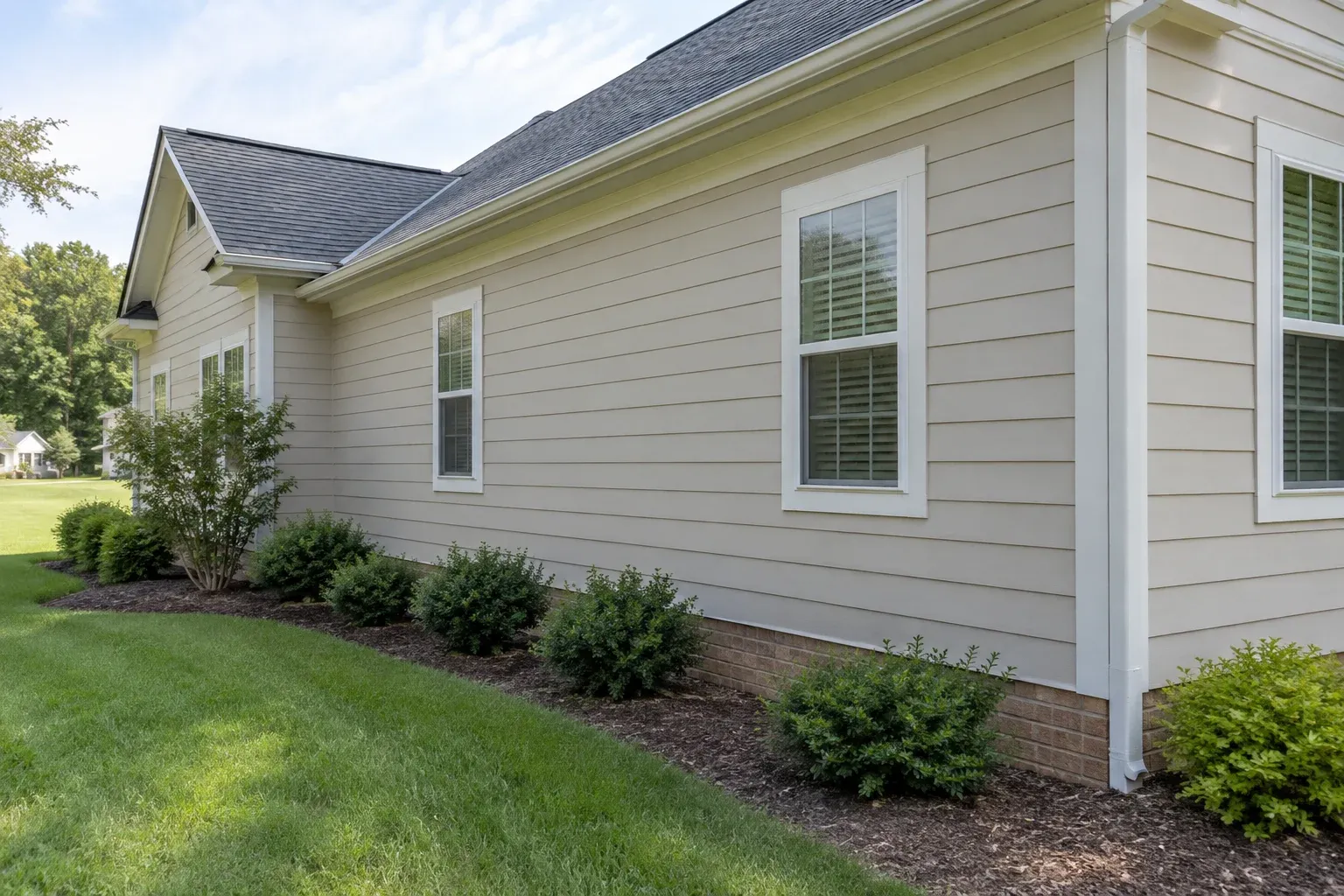
Small Section or Whole Wall: What Are You Comparing?
Choosing a siding contractor in Preston often starts with a small problem: a few damaged panels on an otherwise presentable exterior. Replacing only those panels sounds straightforward, but appearance depends on more than finding a similar color. New siding can stand out because its shape, exposed width, texture or finish differs from the surrounding material. The useful comparison is not simply how much siding to replace, but where differences would remain visible.
A small-section replacement preserves more existing material and limits the area disturbed. Replacing an entire wall creates a more consistent surface within that wall, although adjoining walls may still look different. Neither option automatically produces a seamless result. Homeowners and property managers responsible for rental or association-maintained residential exteriors benefit from comparing actual samples and clearly defined replacement boundaries before approving work.
Match the Profile and Exposed Width First
Panel profile describes the shape of the siding face: for example, the relatively flat face of traditional lap siding or the recessed contour of Dutch lap. Similar colors cannot disguise different shadow lines. Exposed width, sometimes called the reveal, is the portion visible after installation. Even a modest difference can interrupt the rhythm of horizontal courses, particularly across a broad wall or beneath a row of windows.
Ask the contractor to distinguish overall panel dimensions from visible exposure and identify the existing material before suggesting replacements. Some vinyl panels form multiple apparent courses in one piece, while individual lap boards create courses separately. A visually similar product is not necessarily compatible with existing locks, overlaps or accessories. Matching appearance must not depend on forcing unlike products together or changing installation details contrary to manufacturer requirements.
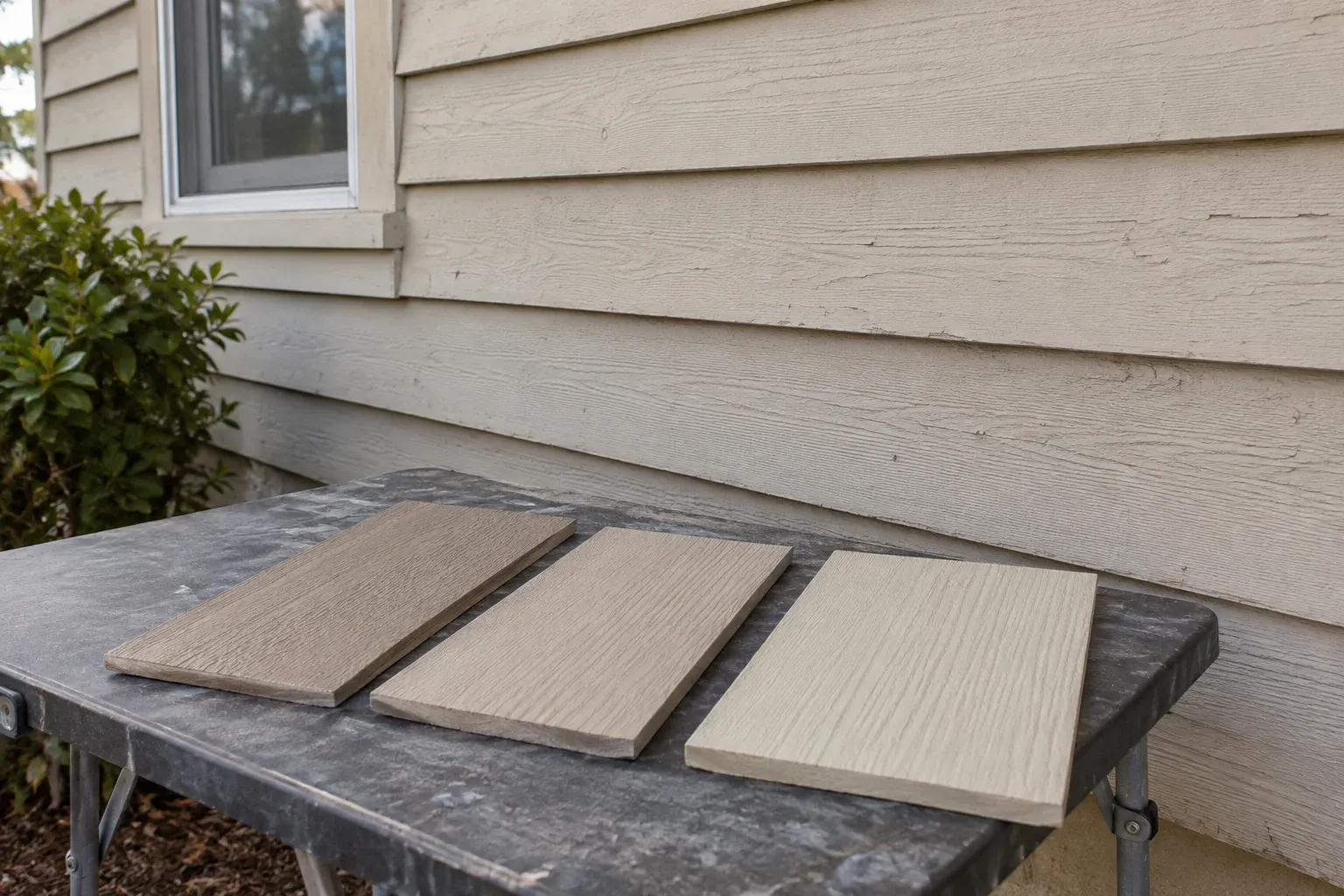
Compare Texture and Sheen Beside the Existing Wall
Texture becomes easier to judge when a sample is beside the wall rather than viewed alone. Smooth siding, shallow woodgrain and deeply embossed grain reflect light differently. Finish sheen matters too: a newer surface may catch the light while an older surface looks flatter. These differences can become more noticeable in angled sunlight, even when samples appear similar under a porch or in an indoor showroom.
Use a sample large enough to show the repeating surface pattern, and compare it in the same orientation as the installed siding. Look closely to assess texture, then step back to a normal viewing distance. A phone photograph can help record options, but screen settings and automatic exposure can change their appearance. Base the decision on the physical sample against the actual exterior, not a photograph alone.
Treat Color Fading as a Separate Matching Problem
A familiar color name is only a starting point. Sun exposure, weathering and surface buildup can change how existing siding looks, and different sides of the same home may age differently. A sheltered piece may suggest the original color without representing the exposed wall being repaired. Ask whether an apparent mismatch comes from permanent fading, removable surface buildup or a combination of conditions.
Review samples in daylight at more than one time if possible, including shade and brighter conditions. Do not assume new siding will eventually fade into the old color; the rate and direction of change are uncertain. For paintable materials, a compatible coating may improve color consistency, but it does not erase profile or texture differences. Any repainting option should respect the siding manufacturer’s coating and color limitations.
When a Small-Section Replacement Makes Visual Sense
Partial replacement is most promising when damage is localized, surrounding siding remains serviceable and a compatible product is available. Location matters as much as size: a small patch beside an entrance may draw more attention than a larger replacement elsewhere. Consider everyday views, including seated views from outdoor furniture. The guide to planning a deck around furniture offers related context for identifying the outdoor positions from which siding will regularly be seen.
Product availability can change the comparison. Ask whether the proposed material is a confirmed product match, a current substitute or remaining stock from a discontinued line. Older unused stock may still differ from weathered siding. The related guide to siding replacement planning offers broader context, while this choice should stay grounded in the specific wall, available materials and visible differences you are prepared to accept.
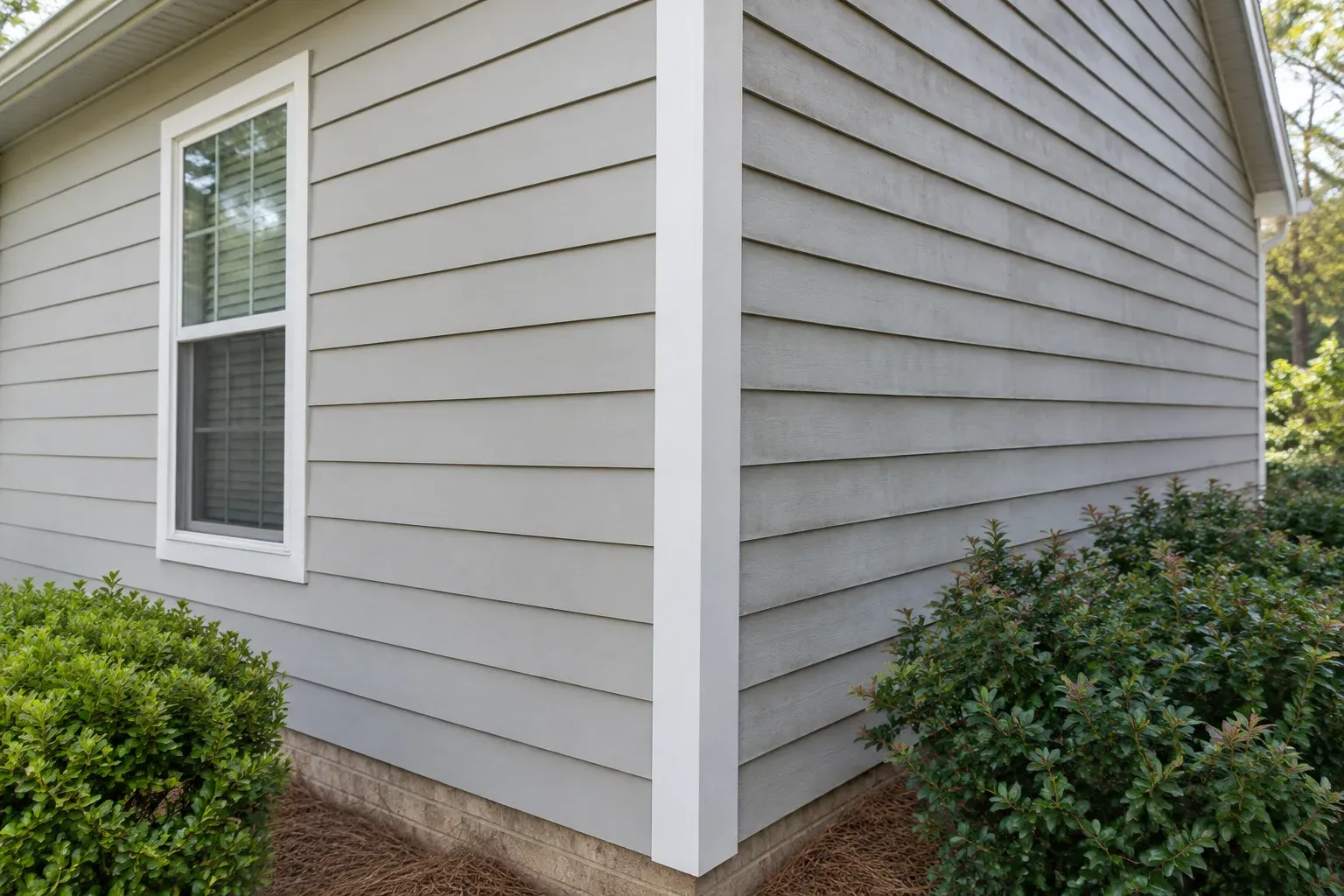
When Replacing the Entire Wall Gives a More Consistent Result
Replacing an entire wall removes scattered old-to-new transitions within that surface. It can be a stronger appearance choice when the original profile is unavailable, several patches would be needed or fading makes every sample conspicuous. A corner or established trim boundary provides a clearer stopping point than an arbitrary line across an open wall. Windows alone do not necessarily create a complete visual boundary for the siding around them.
Still, a fresh wall may contrast with the adjacent exterior. Review the house from an angle where both surfaces are visible, especially near prominent front corners. Clarify whether “whole wall” includes the gable, areas above openings and returns around projecting features. The purpose is to define a coherent replacement area, not to assume that one new wall requires replacing every other wall on the home.
Ask for a Clear Comparison Before Choosing the Scope
Ask for the two scopes to be described separately, with proposed products and replacement boundaries identified. A useful comparison explains what each option resolves and what differences remain. It should distinguish an appearance preference from work needed because of underlying conditions. If removing siding reveals deterioration, the scope may need to change; a matching decision should not require covering a problem that needs attention.
For either scope, record which sample informed the choice and whether painting or trim changes are included. If association approval applies to your property, check submission requirements before ordering a different product or color. Guidance on planning around HOA rules in Preston can help frame those questions without assuming every property has the same restrictions or that a visually similar replacement is automatically exempt.
- Which profile, exposed width and texture differences would remain visible?
- Is the proposed product confirmed available in the quantity needed?
- Where would replacement stop, and how would that boundary look?
- Does the scope include compatible finishing, trim changes or both?
Choose the Scope Around the Result You Can Accept
When comparing a siding contractor in Preston, ask which differences each replacement option would leave visible. A small-section replacement can make sense when compatibility and appearance align; a whole-wall replacement can create a cleaner result when they do not. Reviewing profile, exposed width, texture, fading and availability against the existing exterior provides a practical basis for choosing the scope rather than relying on a promise of a perfect match.
Frequently asked questions
Can new siding match the existing color exactly?
Sometimes a close match is available, but an exact match should not be assumed. Existing siding may have faded unevenly, and a current product with the same color name may look different. Compare physical samples against the actual wall before choosing the replacement scope.
Does replacing an entire wall eliminate every visible difference?
No. It removes old-to-new siding transitions within that wall, but adjoining walls may still differ in color, texture or sheen. Review the corner transition from places where both walls are visible.
Can painting make a partial replacement blend in?
For siding suitable for painting, a compatible coating may reduce color differences. It will not correct a different profile, exposed width or surface texture. Follow the siding and coating manufacturers’ requirements, including restrictions on color.