
Build a side-by-side scope worksheet to see whether Preston custom home proposals cover the same house, finishes and responsibilities.

Start With a Scope Worksheet, Not a Price Ranking
When comparing custom home builder proposals in Preston, the useful question is not simply which total is smaller. It is whether each document prices the same house, with the same drawings, finish assumptions and division of responsibilities. Two carefully prepared proposals can differ because their starting instructions differ. A side-by-side scope worksheet helps you identify those differences without treating a lower figure as evidence that work has been omitted.
For a Custom home builder proposal, separate the comparison into included work, unspecified selections, allowances, owner-supplied items and exclusions. Give every important feature its own row rather than copying each bidder’s headings. This keeps a detailed proposal from appearing more expensive merely because it spells out work another groups together. The purpose is to establish a common basis for questions, not to reconstruct a contractor’s internal estimate.
Establish One Drawing and Specification Baseline
Before entering figures, write the drawing dates and revision numbers at the top of the worksheet. Include the specification schedule, site information and any written alternatives supplied for pricing. Check that every bidder received these same documents. A revised window arrangement, changed foundation assumption or added covered porch can produce a legitimate difference that will not become clear by comparing totals or dividing them by floor area.
Separate the base house from optional features. If outdoor living space is included, record its actual footprint, stairs, railing and finish assumptions rather than a vague deck description. The furniture-first approach in planning a deck around daily use illustrates why usable dimensions matter. Likewise, distinguish a future provision from completed work: framing for a later feature is not the same scope as supplying and installing it now.

Check Included Work by Quantity and Function
Create rows for site preparation, foundation, structure, exterior enclosure, mechanical systems and interior finishes. Then add the details that distinguish your intended house: window quantities, flooring coverage, cabinet locations and fixture counts. Mark each entry with the proposal page that supports it. Where the wording is silent, use “needs clarification” rather than assuming either inclusion or exclusion. Silence is a question to resolve, not a finding of fault.
Use functional decisions to test whether quantities align. Choosing a one-sink or two-sink vanity affects more than the basin count; compare cabinetry, faucets, plumbing connections, mirrors and lighting too. If the design includes a sunroom, questions about daylight in the adjoining room can help identify which glazing and opening dimensions need to be fixed in the shared drawings. These are specification checks, not reasons to add rooms or features.
Separate Open Selections From Allowances
An unspecified selection and an allowance are not interchangeable. An unspecified selection means the product or standard still needs definition; an allowance assigns an amount to a stated category under the proposal’s terms. Ask what each allowance covers, including quantity, product category, installation, delivery and taxes. Two identical allowance figures may represent different work if one includes installation while the other covers materials only.
Provide the same representative selections to every bidder, even when final choices remain open. A flooring example should identify material type and installation pattern; cabinetry needs more than a color preference. For exterior materials, the distinctions discussed in siding profile and finish matching show why a general label does not establish an equivalent appearance. Record the proposed product standard and ask how substitutions or selection differences would affect the quoted work.
Make Owner-Supplied Items Visible
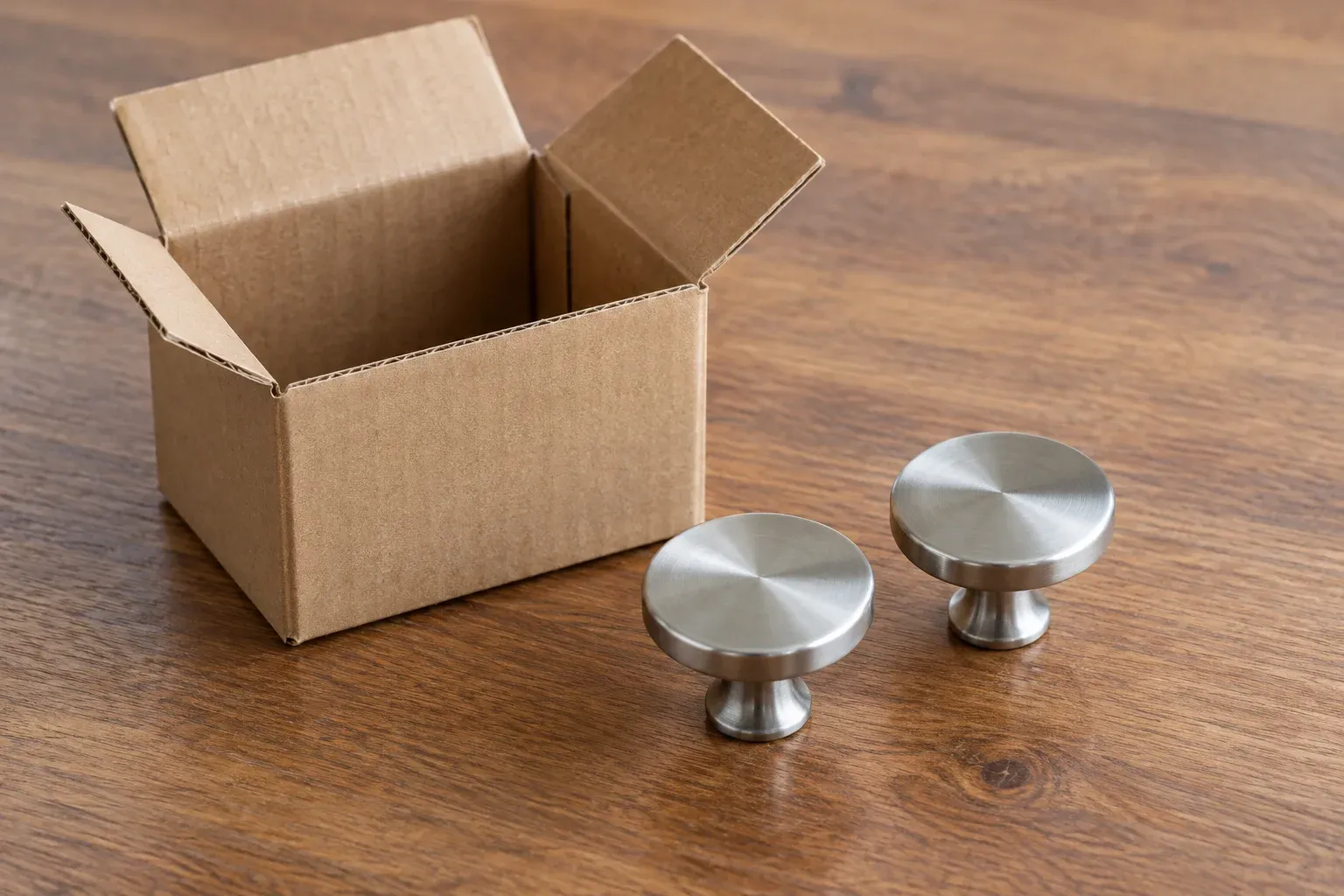
Owner-supplied appliances, decorative lights or hardware can shift expenses outside a proposal without reducing the work needed to complete the house. Give these items separate rows. Identify who purchases them, checks compatibility, receives deliveries, provides storage and installs them. Ask whether related fittings, mounting components and connections are included elsewhere. A purchase excluded from the builder’s total still belongs in your overall comparison of project costs.
Timing belongs beside responsibility. If you supply a pendant light, establish when its dimensions and mounting requirements must be available, not merely when the box must arrive. Note any proposal assumptions about delayed, damaged or incompatible owner purchases. The same principle applies when an owner’s representative or a business purchasing department orders residential fixtures: procurement responsibility and installation responsibility should remain distinct, with an identified handoff between them.
Assign Responsibility for Exclusions and Unknowns
Read exclusions as boundaries, not automatic warning signs. Design work, surveys, utility charges, landscaping or particular site conditions may sit outside a construction proposal. Record the exact wording and identify who will arrange any necessary excluded work. Do not insert a guessed amount to make columns appear complete. Where the cost is unresolved, leave it visibly unresolved and seek information from the party responsible for pricing it.
Distinguish a known exclusion from an uncertain condition. An excluded driveway is different from excavation priced against a stated site assumption. Ask what information supports each assumption and how a departure would be documented and priced. For a Preston property, verify any applicable neighborhood review requirements separately; do not assume a construction proposal includes submissions, fees or revisions unless the written scope addresses those responsibilities.
Resolve Differences in Writing Before Ranking Totals
Send each bidder a concise clarification sheet based on the same baseline. Quote the relevant proposal wording, describe the intended requirement and request confirmation or revised pricing. Keep optional upgrades outside the base comparison. If a bidder proposes a different assembly or product, ask for it as an identified alternative rather than silently treating it as equivalent. Preserve dated responses alongside the proposal they clarify.
Once responses arrive, update the worksheet with confirmed inclusions, unresolved items and separately priced alternatives. Keep original totals visible beside any revised totals. Do not create an apparently precise adjusted price by adding your own estimates for missing information. A useful comparison can show that two proposals are not yet comparable. That is a reason for another focused question, not a reason to declare either bidder unsuitable.
- Reference the same drawing revision in every clarification request.
- Keep base scope, allowances and optional alternatives separate.
- Retain written answers with the corresponding proposal.
Compare Equivalent Work, Then Consider the Price
The final scope comparison should let you trace every meaningful difference to a selection, quantity, responsibility or stated assumption. For homeowners evaluating a custom home builder in Preston, that is a stronger starting point than a price ranking alone. Once the documents describe equivalent work, you can assess the totals without presuming the lowest is incomplete or the highest is more thorough.
Frequently asked questions
Does a lower custom home proposal mean something is missing?
No. Differences can reflect purchasing arrangements, workload, construction methods or pricing decisions. First confirm that the proposals describe equivalent work, selections and responsibilities. A lower total alone does not establish an omission.
How should I compare proposals before all finishes are selected?
Give each bidder the same representative specifications and ask for clearly defined allowances. Compare quantities, product categories, installation assumptions and treatment of delivery, taxes and adjustments—not just the allowance amounts.
Should owner-purchased appliances appear in the comparison?
Yes. Record their purchase cost separately and clarify delivery, storage, installation, connections and responsibility for damage or incompatibility. Otherwise, a proposal excluding appliance purchases can appear equivalent to one that includes them.